Bias-free, structured interviews powered by AI in 60 languages

Equal opportunities in the labour market
Fairtalk is an interview application that designs and asks the best questions and evaluates responses against clear, objective criteria. 24/7. Never distracted or biased. Always polite and engaged. The results of this structured interview serve as input for the live conversation at the table.
AI-generated, skills-based and role-specific questions are asked to every candidate in the same sequence. AI supports standardized scoring. The outcome provides objective input for the recruiter’s or assessment professional’s interview.
Our building blocks
Bias-free
Eliminate unnecessary and costly evaluation errors from your hiring process.
Skills-based
Match people to work based on their skills and bring more talent to the table.
Structured interviews
Maximize predictive validity while minimizing the risk of discrimination.
24/7 available
Wees altijd bereikbaar voor een gesprek, ook ‘s avonds en in het weekend.
Equal opportunities
Do not exclude talent based on characteristics that do not matter.
Artificial Intelligence
Use the power of AI to optimize your recruitment process.
Science-based
The Fairtalk structured interview improves the validity of selection by 30%. Its predictive validity is 0.51 (Sackett et al., 2023). By comparison: personality tests 0.25, traditional interviews 0.38. Fairtalk’s structured interview is designed in accordance with the guidelines of the NIP (Dutch Institute of Psychologists).
%
Reduced bias (enhanced diversity)
%
Increased validity and reliability of selection
%
Time savings (fewer false positives)
%
Lower employee turnover
european ai-act
The AI Act is a strong European response to the challenge of responsible use of artificial intelligence. Since our start in 2024, Fairtalk has embedded the implications of this legislation in our product: we explain clearly what the AI does and why, and ensure that a human remains accountable for every decision. AI should support, objectify and simplify – not take control.
The AI Act focuses on the following themes.
Risk assessment
Companies must assess AI-related risks, minimize discriminatory effects and errors, and ensure transparency.
Transparency
Companies must be clear about AI Act systems, explain how they operate and what data they collect. This includes transparency about the algorithms used and how they work.
Human oversight
EHuman oversight is required to ensure AI-supported decisions are accurate and fair.
Data quality and privacy
Companies must ensure high-quality, unbiased AI data and protect user privacy in line with GDPR requirements.
User competence
As of 2 February 2025, organizations must ensure that users have the skills, knowledge, and understanding needed to deploy AI systems effectively.
Knowledge hub
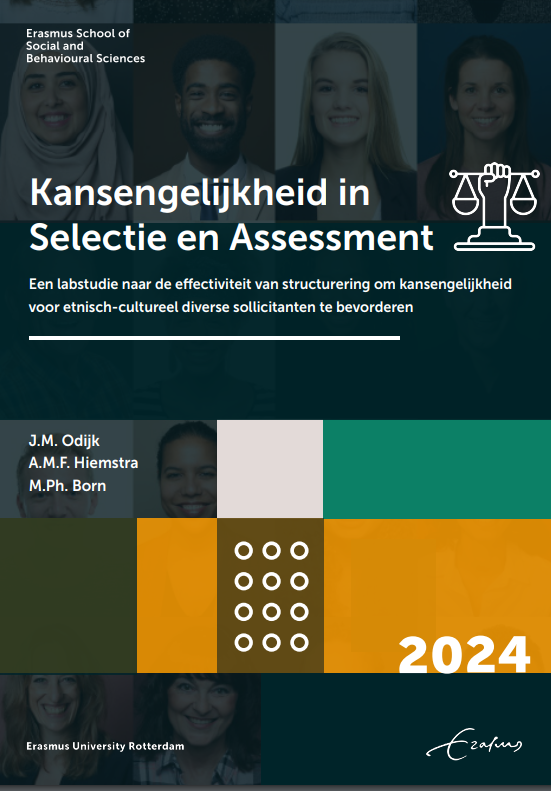
Equal Opportunities in Selection and Assessment
A lab study on the effectiveness of structured methods to improve fairness for ethnically and culturally diverse applicants.
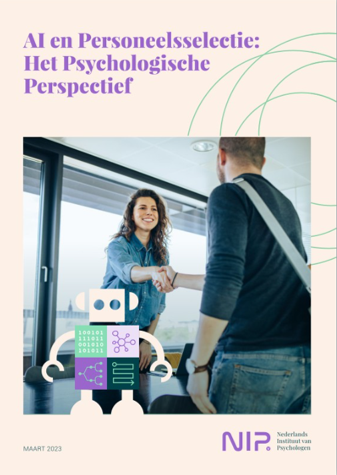
AI and Personnel Selection: A Psychological Perspective
Key requirements for psychological assessment tools and why they also apply to responsible AI use.
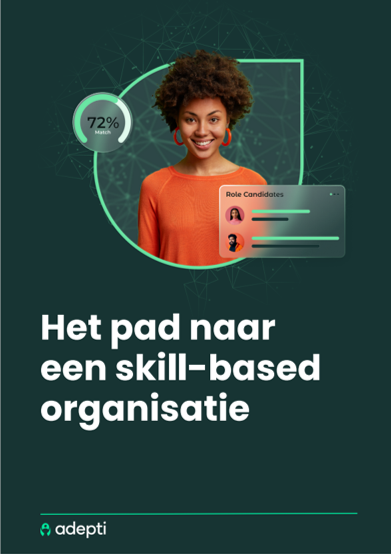
The Path Toward a Skills-based Organization
How the shift to skills-based organizations is supported by business trends and research findings.